
The Power of Roughhousing: Why Physical Play Builds Resilience (and Doesn’t Encourage Aggression)
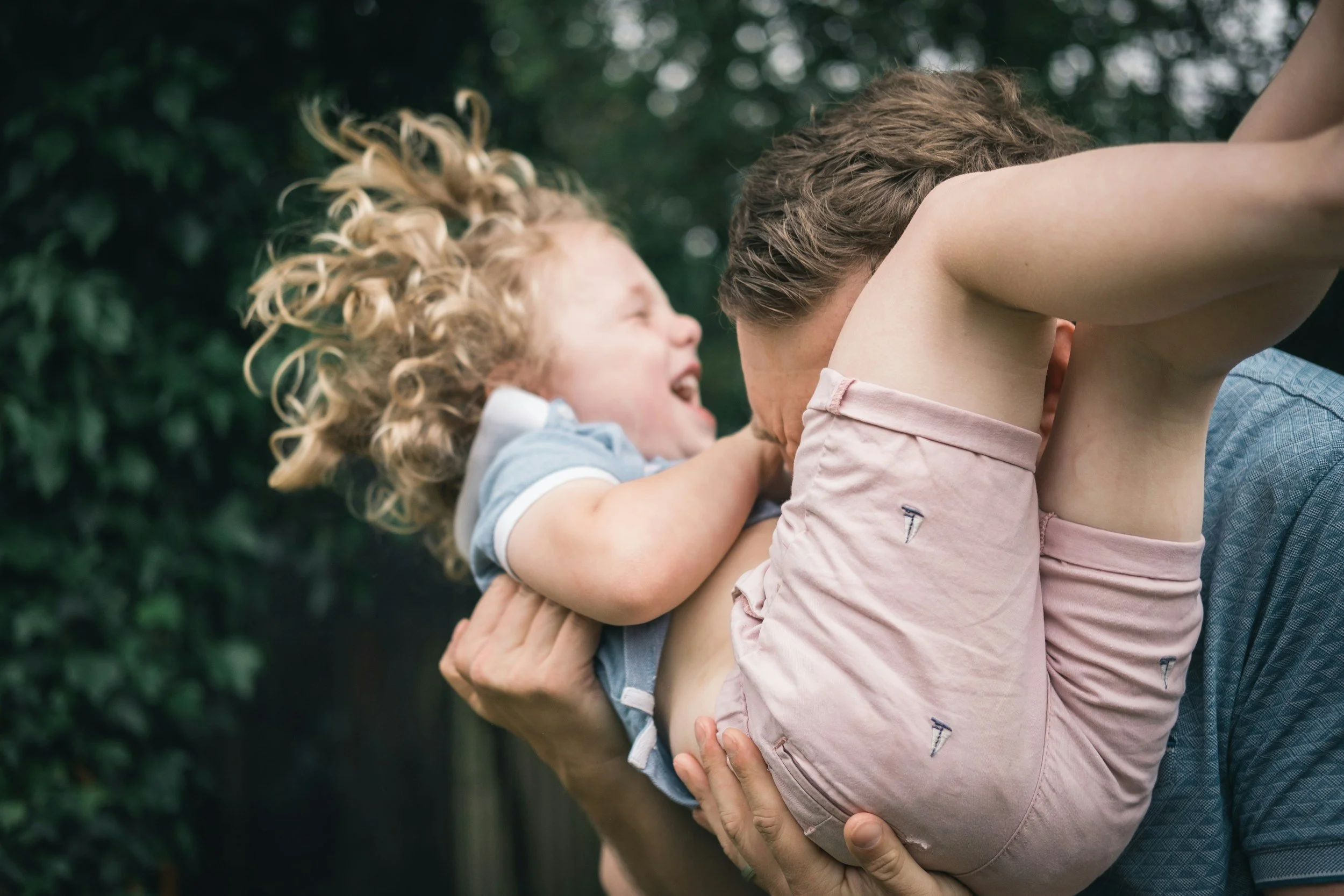
A child laughs as dad scoops them up during rough-and-tumble play.
Kids play in all kinds of ways—zooming around the backyard, wrestling with the dog (or each other), building forts out of couch cushions, or quietly drawing at the kitchen table… for about five minutes. Each type of play helps children learn, grow, and explore the world around them.
Some of the most powerful learning happens in the wild, physical kind: tumbling, wrestling, chasing, and yes, crashing into each other. Many parents worry that this kind of play will encourage aggression—or worse, lead to injuries. And let’s be honest: your child might not always come out completely unscathed. Maybe a stray bump, a rogue scratch, or an unexpected pile-up is just part of the deal. Research shows that roughhousing is not only safe when done thoughtfully, it’s actually a vital part of healthy development. It helps children learn emotional regulation, self-control, social skills, and strengthens their connection with you.
Why Roughhousing Works: The Brain in Action
Roughhousing isn’t just chaos—it’s a full-body, full-brain workout:
Prefrontal Cortex: Kids practice self-control, problem-solving, and decision-making as they navigate the give-and-take of wrestling or chase.
Amygdala: They experience controlled “thrills,” learning to regulate fear and excitement safely.
Vagus Nerve: Physical contact and movement help calm the nervous system, supporting emotional regulation.
Oxytocin Release: Touch and playful connection strengthen attachment and trust.
Roughhousing is essentially a dance of boundaries and connection—children learn how to manage excitement, respect limits, and rely on the safety of trusted adults.
Key Benefits of Roughhousing
Builds Emotional Resilience
Kids practice handling frustration, disappointment, and excitement in a safe space.
Example: Your child misses catching you during a chase game—rather than meltdown, they try again, learning patience and persistence.
Improves Self-Regulation
Learning when to slow down or stop strengthens impulse control.
Example: During a wrestling match, your child freezes when you say “stop,” even though they wanted to keep going.
Enhances Social Skills
Turn-taking, reading cues, and negotiating teach empathy and cooperation.
Strengthens Parent-Child Bonds
Shared play and physical connection build trust and deepen relationships.
Supports Physical Development
Balance, coordination, strength, and motor skills all get a boost from active play.
Roughhousing Safely: Rules That Actually Work
Set Limits Before Play: No hitting faces, no biting, stop if anyone says “stop.”
Watch for Cues: If your child seems overwhelmed or tired, slow down or switch activities.
Consider Age & Size: Adjust intensity based on your child’s body and abilities.
Keep It Positive: Never use roughhousing as punishment or to “toughen up” a child—it should always be fun and consensual.
Try These Roughhousing Games
Pillow Fights: Soft, silly, and a great way to let loose together.
Wrestling Matches: Gentle, playful, maybe crown a “champion” for fun.
Chase Games: Tag, freeze tag, or “the floor is lava.”
Horsey Rides: Piggyback rides or “horse” rides build strength and coordination.
What If Your Child Is Sensitive or Doesn’t Like Roughhousing?
Every child is unique. Some kids are naturally tactile and energetic; others prefer quiet play.
Respect their boundaries and find alternative ways to connect through movement or play.
Try gentler physical games like dance, yoga, or sensory activities.
Gradually introduce playful touch—tickles or gentle wrestling—while always monitoring comfort.
Roughhousing and Emotional Safety
Roughhousing is ultimately about trust. When children know you’ll play safely, respect their limits, and stop when asked, they learn: “I can explore, have fun, and still feel safe.”
This foundation teaches resilience and confidence. It helps kids learn to manage emotions, practice social skills, develop coordination, and strengthen their bond with you.
Next time your child invites you to wrestle, chase, or crash around, say yes—even if just for a few minutes!
Want more practical ways to build resilience through play? Read Building Resilience: Fun and Practical Ways to Widen Your Young Child’s Window of Tolerance for tips you can try at home.