
THE COURAGEOUS COUNSELLING BLOG
Real-world support for raising resilient kids
Parenting doesn’t come with a handbook. These articles on play therapy and parent support offer encouragement, practical tools, and fresh perspectives to help you understand your child and bring more ease to family life — with a reminder that change is possible.
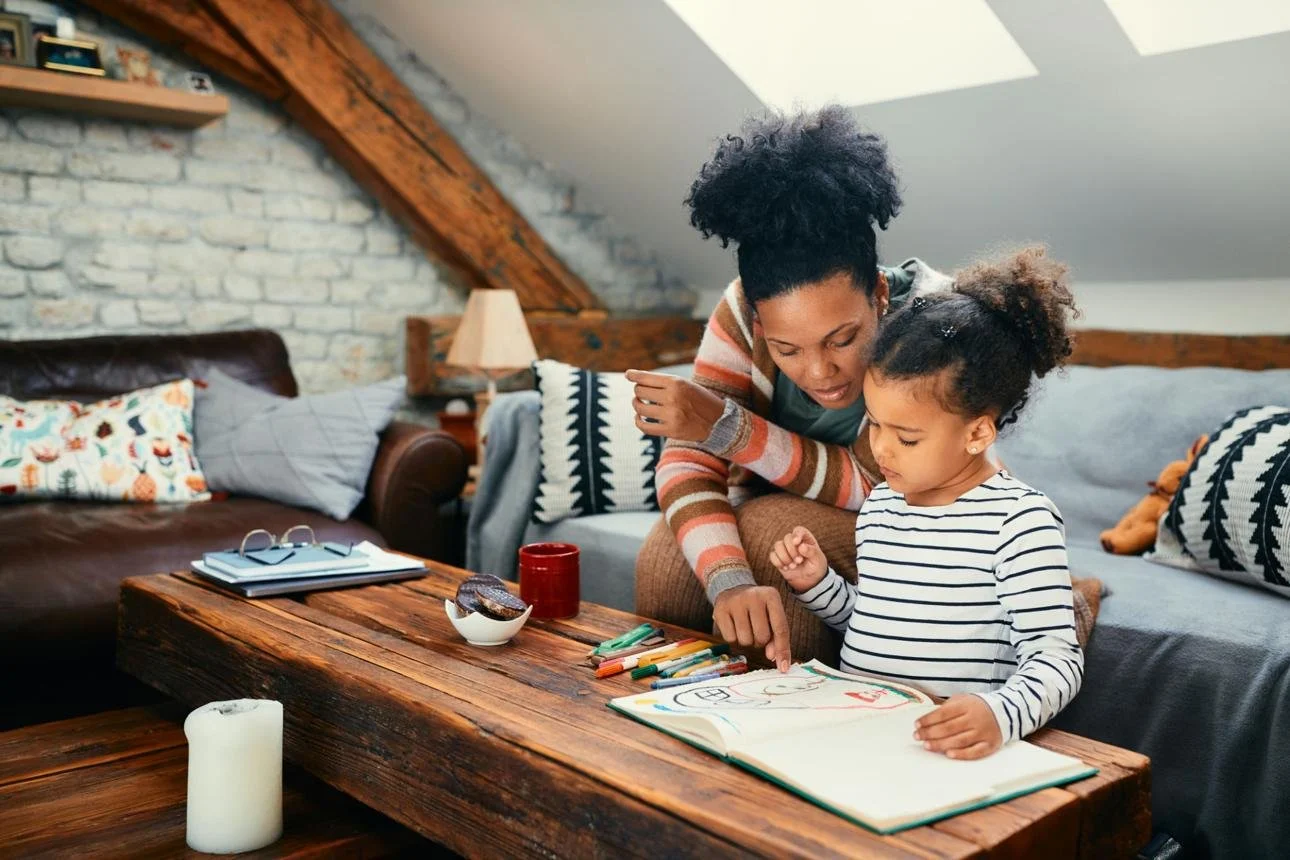
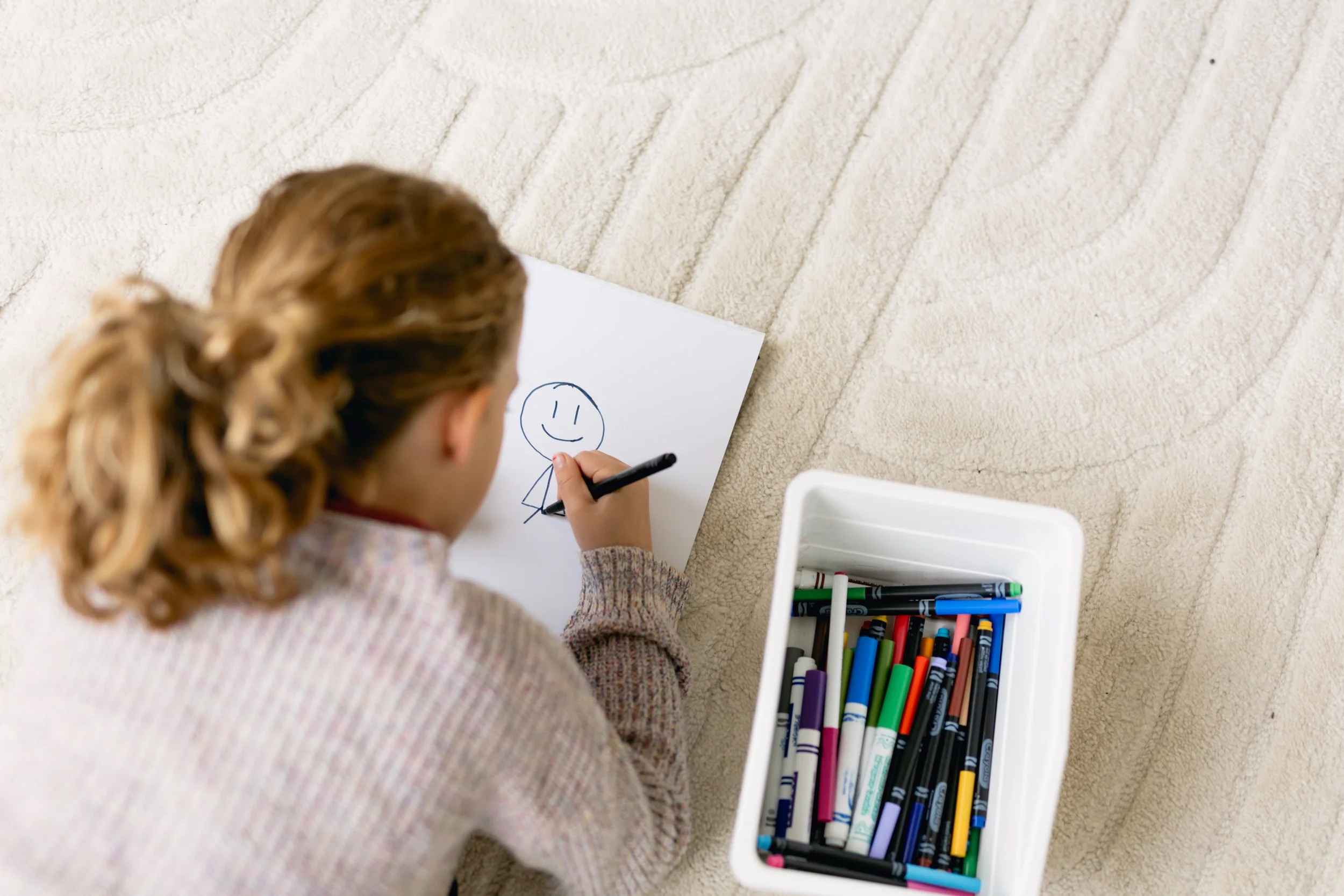
Praise or Encouragement? How Our Words Help Children Build a Strong Sense of Self
What’s the difference between praise and encouragement? Learn how small changes in the words we use can help children recognize their strengths, build confidence, and develop a healthy sense of self.
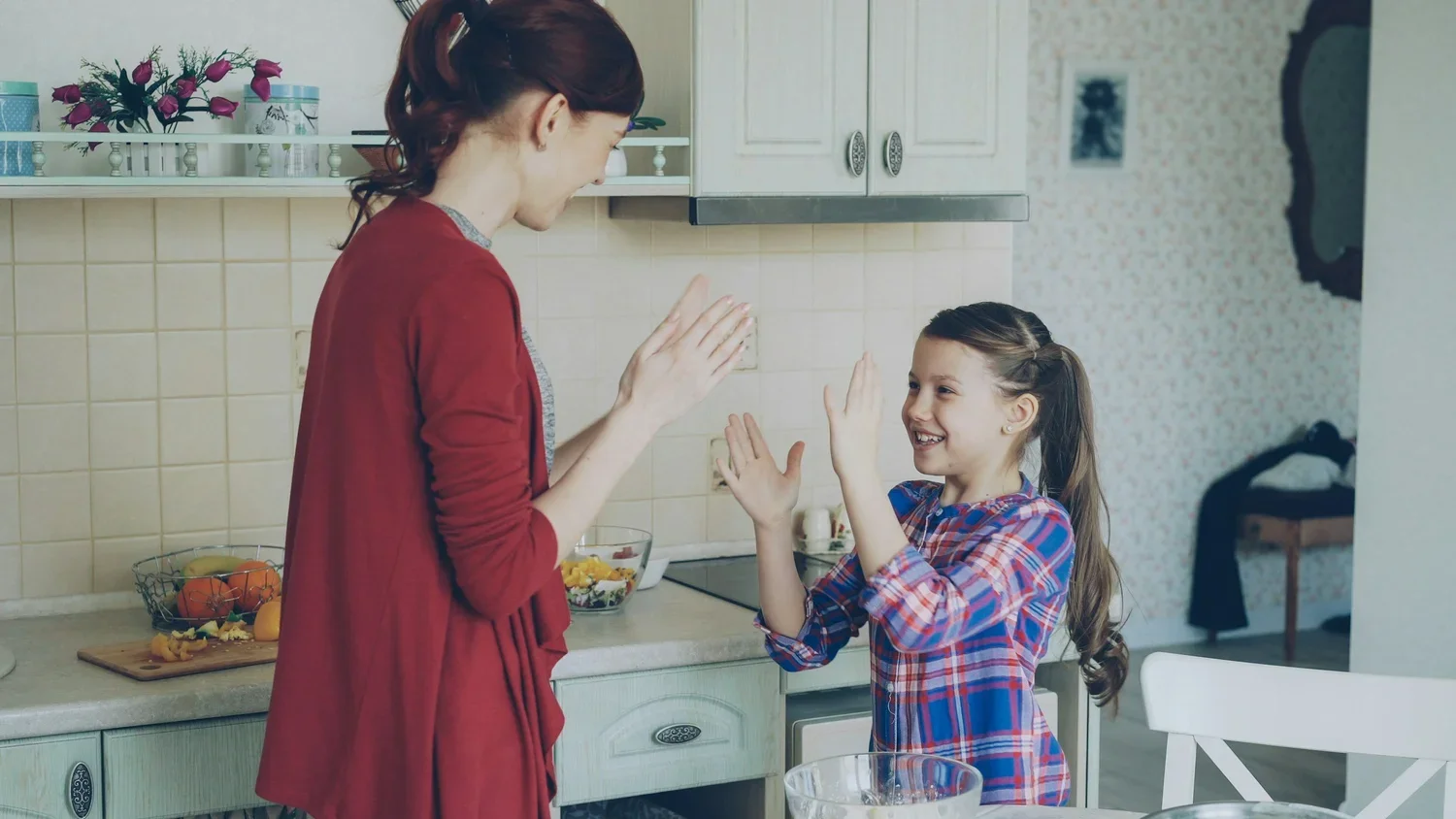
Why Is My Child Acting Like This? Understanding Behaviour Through a Developmental Lens
Why do children’s behaviours feel so confusing and frustrating at times? Learn how adulthood bias can impact the way we understand children’s emotions, behaviour, and emotional regulation, and how shifting to a developmental perspective can transform the way we respond.
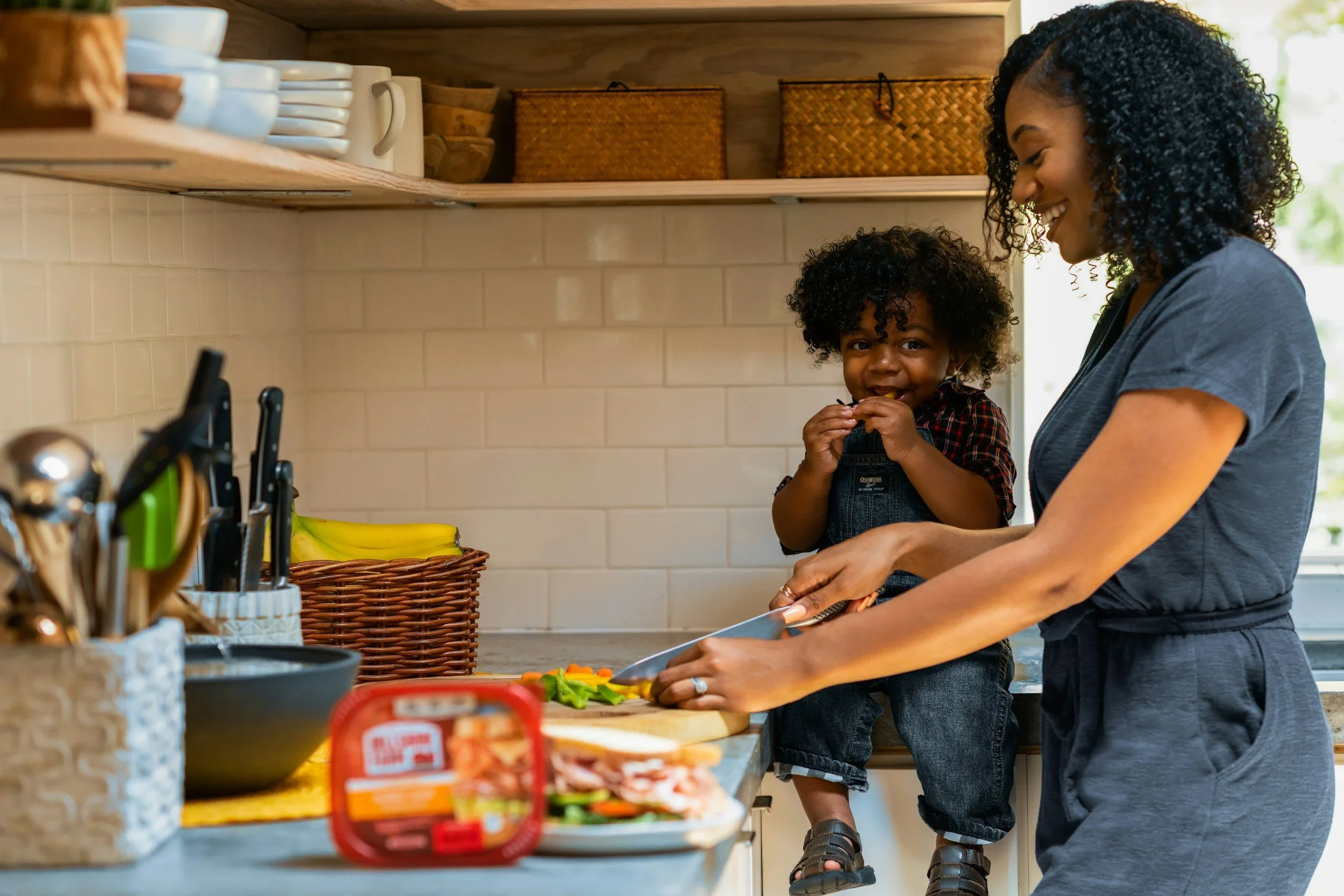
The Mental Load of Summer: Why Kids Ask So Many Questions
Summer can feel unexpectedly overwhelming for parents, not because of big behaviours, but because of the constant stream of questions from children. This post explores why this happens and how small shifts in structure can help reduce the daily mental load.
When Childhood Anxiety Starts Taking Over Family Life
When childhood anxiety starts taking over family life, SPACE offers a parent-focused approach that helps reduce accommodation, build confidence, and support children in learning to manage big emotions.
Why Are Transitions So Hard for My Child?
Transitions can be surprisingly difficult for many children, especially during periods of change, stress, or emotional overwhelm. This blog explores why transitions can trigger bigger emotions and behaviours in children, how this may show up at home, and ways parents can support children through challenging routines and changes.
Why Your Child’s Anxiety Gets Worse at the End of the School Year (And What Parents May Notice)
The end of the school year can be surprisingly stressful for many children. Increased transitions, routine changes, emotional fatigue, academic pressure, and anticipation about summer can all contribute to rising anxiety. This blog explores why anxiety may worsen at the end of the school year, common signs parents may notice at home, and ways to support children through this challenging season.
Why Is My Child’s Behaviour Worse at Home After School?
Many children seem to “hold it together” at school and release their emotions most fully at home. This blog explores why after-school behaviour can look bigger at home, how emotional fatigue and reduced regulation capacity contribute, and what parents can do to support children after a full day of expectations, stimulation, and stress.

Why Parenting Support in St. Thomas is the Key to Handling Big Emotions
Feeling drained by meltdowns and daily power struggles? You aren't failing, and you don't have to figure it out alone. Discover how compassionate parenting support in St. Thomas can bring peace and connection back to your home.
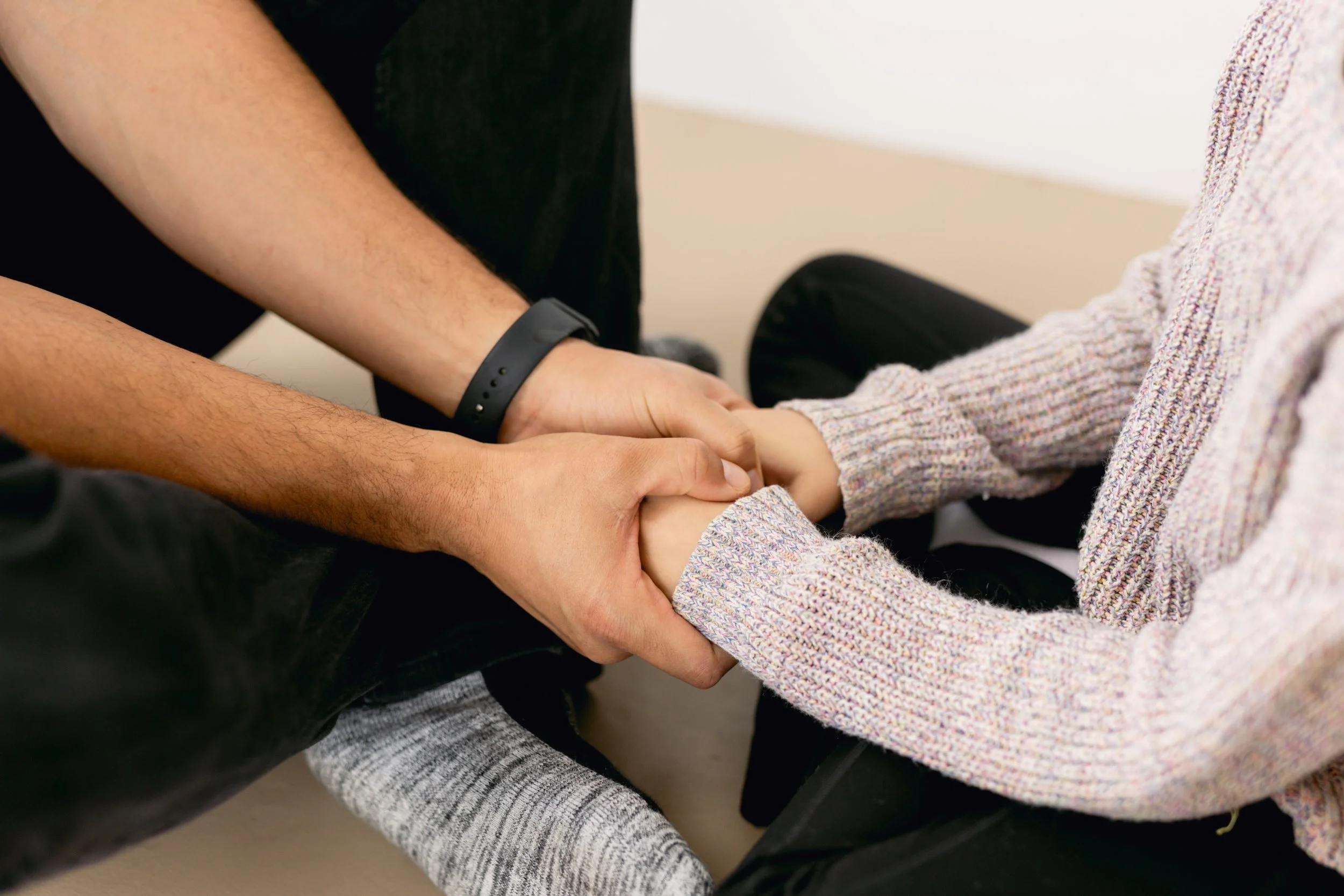
Emotional Dysregulation in Children: How Parents Can Help (Parent Support in St. Thomas, Ontario)
Emotional dysregulation in children isn’t “bad” - it’s natural and essential for growth. Learn how parents can support big feelings and help kids build emotional resilience through simple strategies.
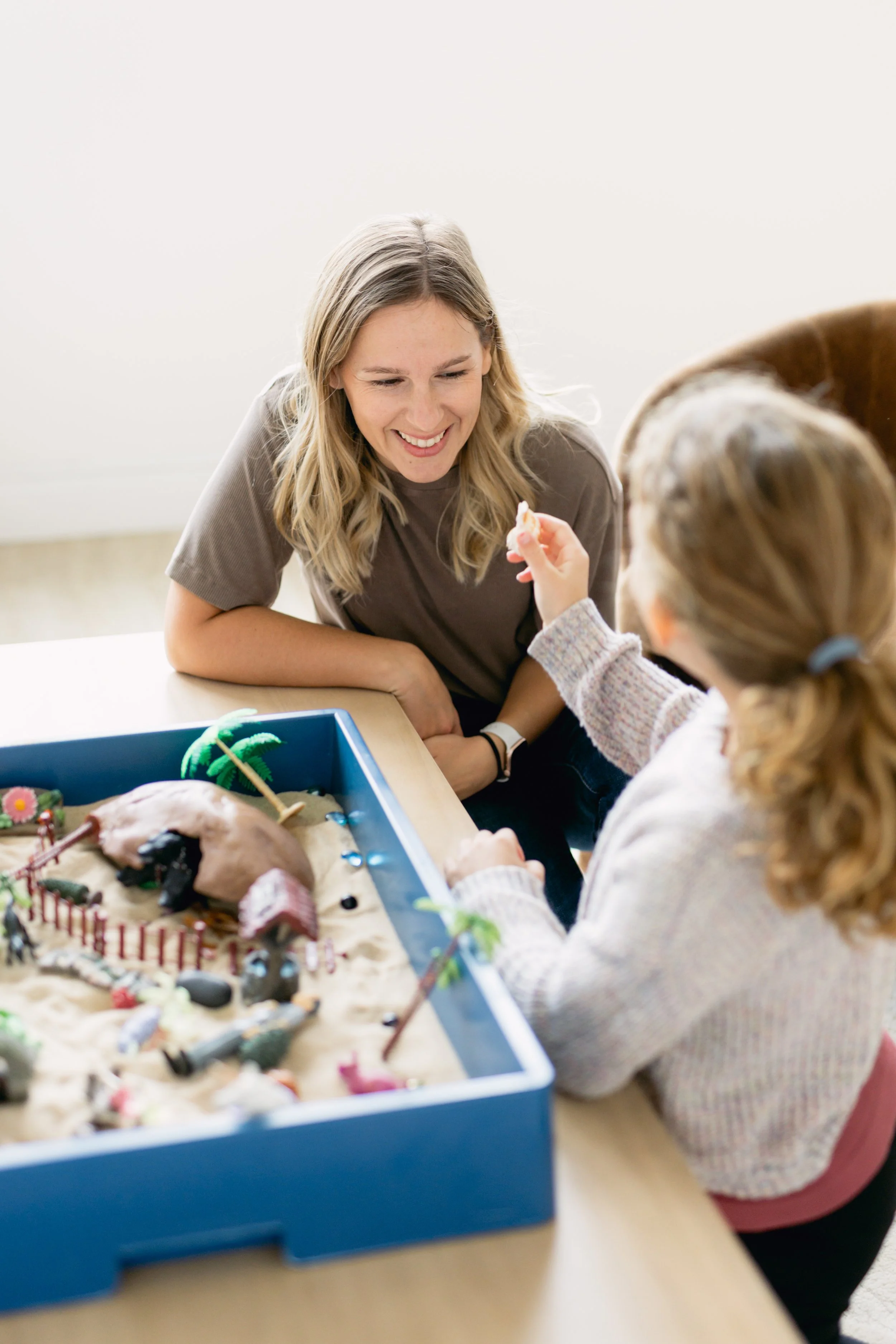
Signs a Child Needs Counselling and How Play Therapy Can Help
Is your child struggling with big emotions, anxiety, or withdrawal? Learn the signs that your child may benefit from counselling and how child-centred play therapy can gently support emotional regulation, confidence, and resilience. Discover the universal outcomes of play therapy and when to reach out for professional guidance.
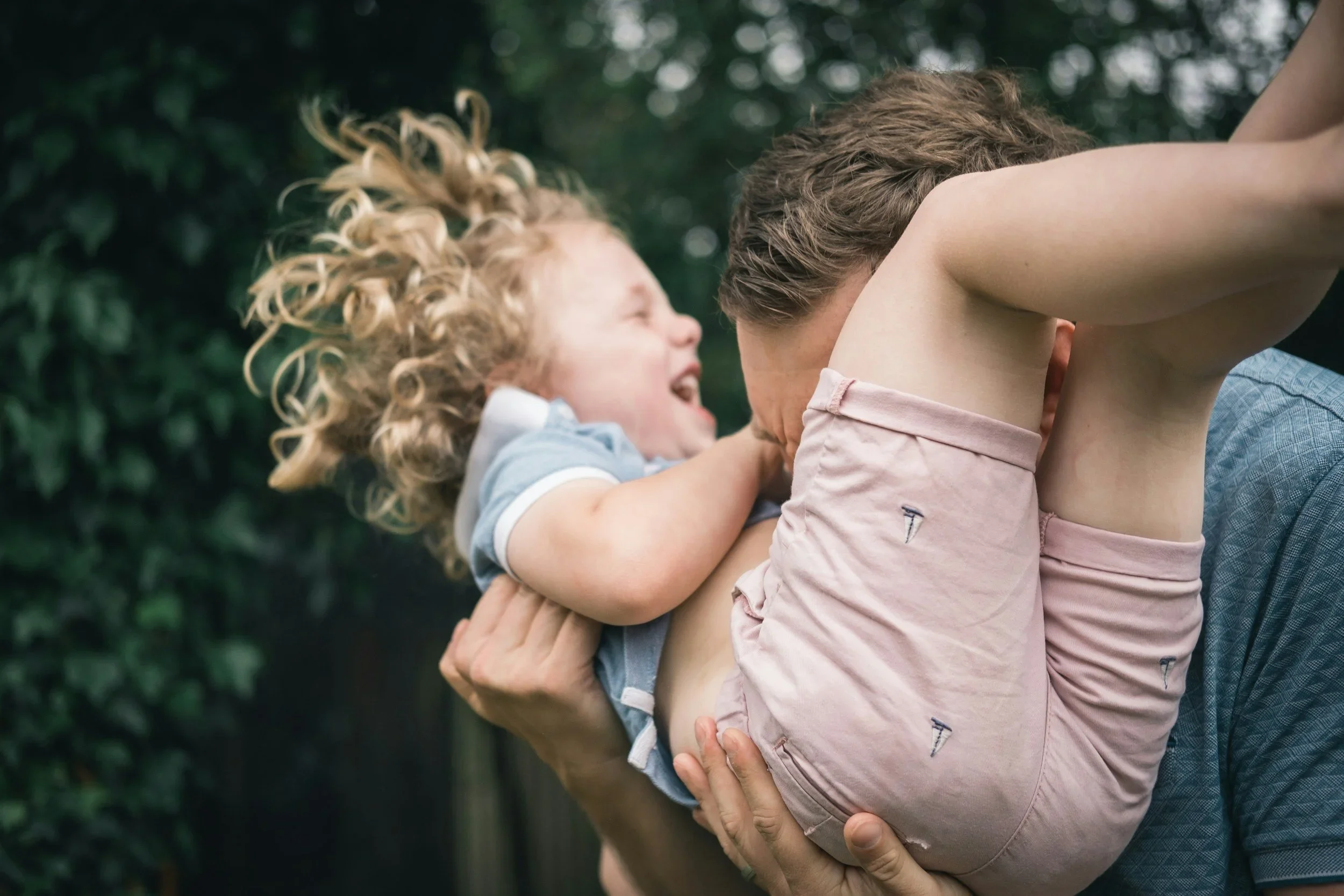
The Power of Roughhousing: Why Physical Play Builds Resilience (and Doesn’t Encourage Aggression)
Roughhousing isn’t just chaotic fun — it’s powerful learning in motion. From pillow fights to chase games, physical play helps children develop emotional resilience, self-regulation, social skills, and strong parent-child bonds. In this post, we explore why letting kids tumble, wrestle, and move their bodies (safely!) is one of the most effective ways to support their growth — and how parents can join in without worry.
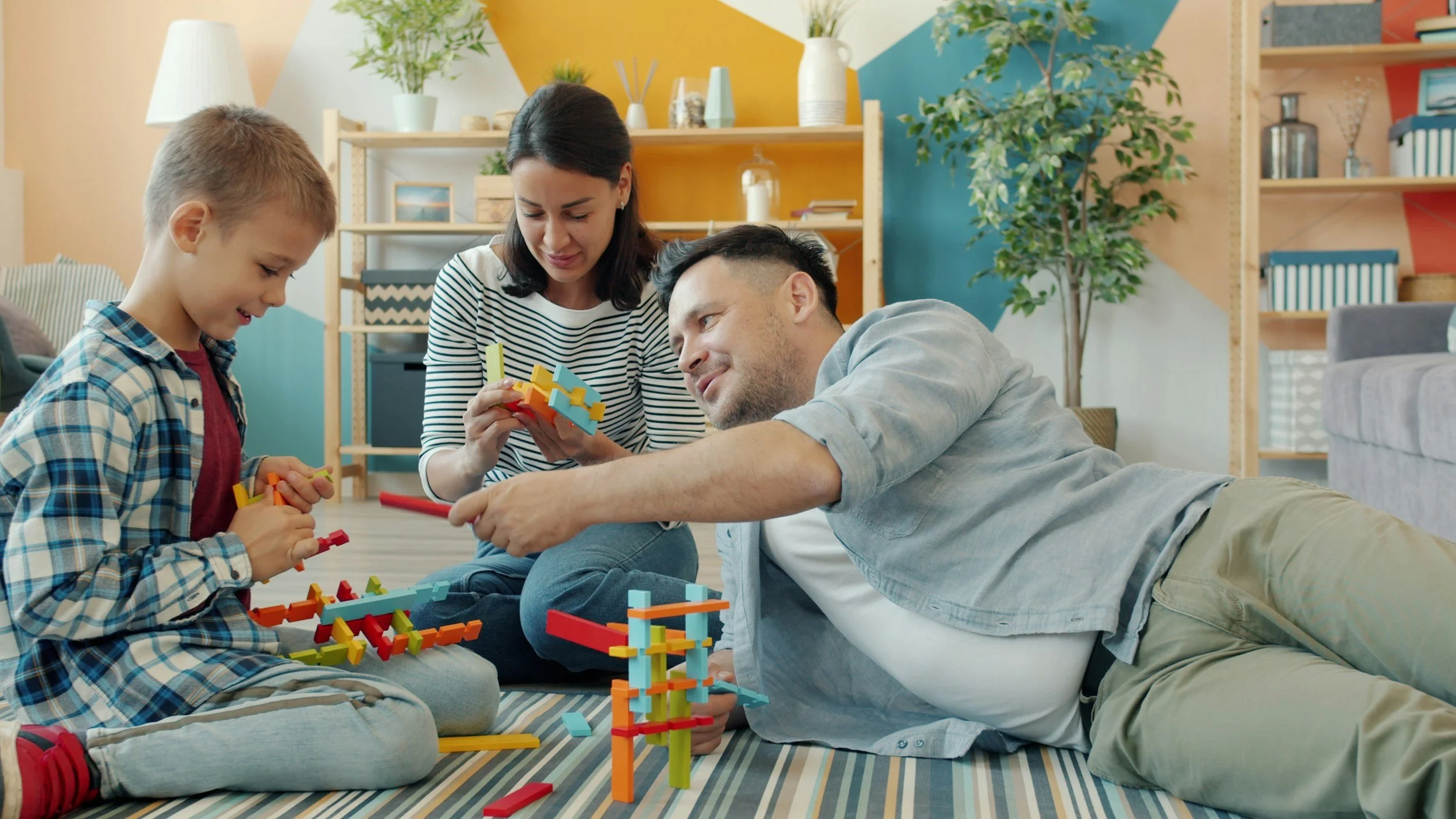
The Neuroscience of Play: Why Play Isn’t Just “Fun” — It’s Foundational
Did you know play isn’t just fun—it’s essential brain work for your child? Every superhero chase, pretend game, and building-block tower helps develop focus, emotional regulation, and problem-solving skills. And the best part? Play strengthens your connection too. Discover the science behind play and simple ways to bring more brain-building fun into your family’s day.

Talking to Young Children about Separation or Divorce: A Guide for Parents
Talking to your children about separation or divorce is a challenging and emotional task, but it is crucial to handle it with care, honesty, and reassurance.
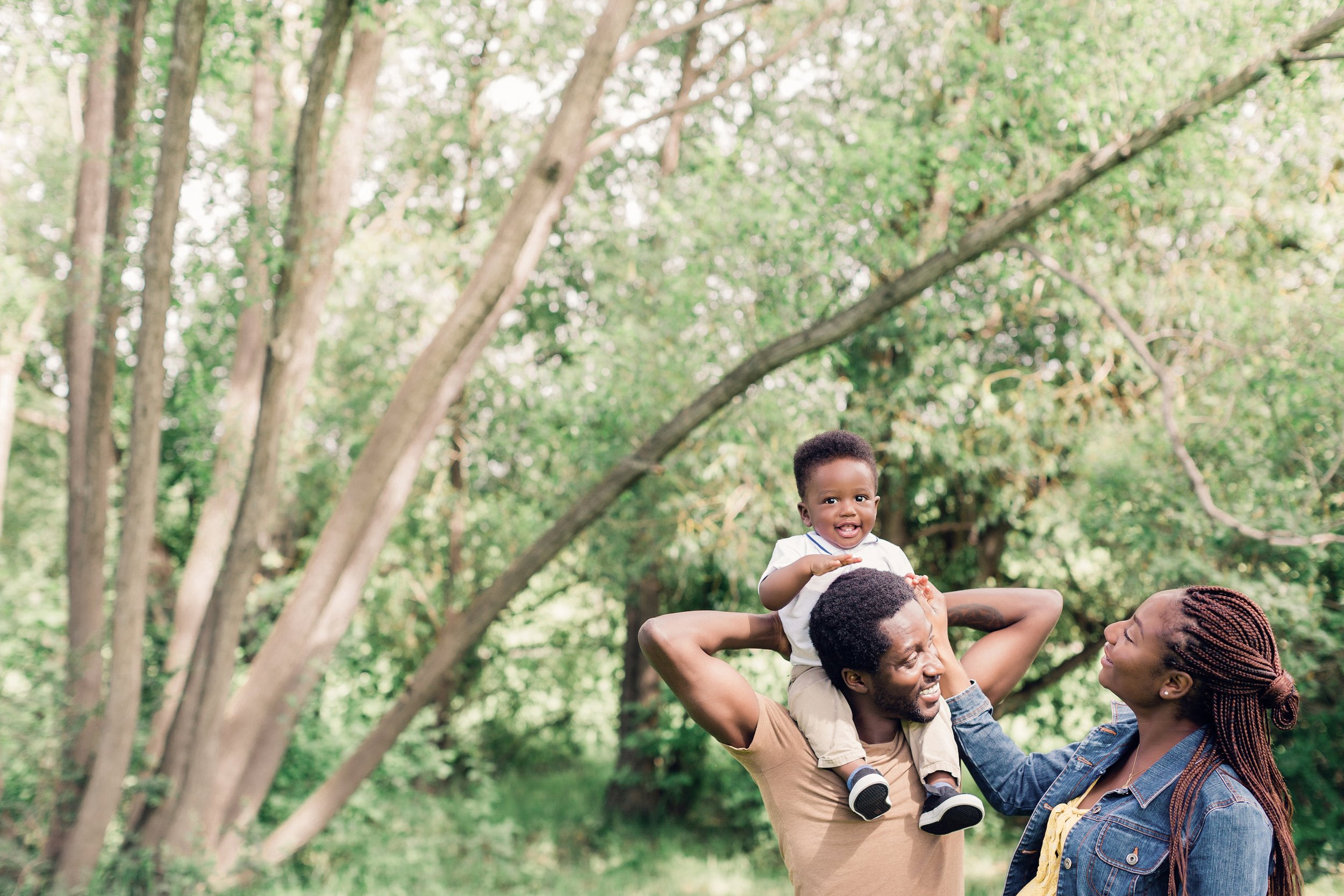
Summer Fun: 10 Family Activities to Promote Health and Well-being
Summer is the perfect time for families to bond, make memories, and prioritize health and well-being! With longer days and warmer weather, there are endless opportunities for outdoor adventures and activities that promote physical, mental, and emotional wellness.
Building Resilience: Fun and Practical Ways to Widen Your Young Child’s Window of Tolerance
As parents, we want to equip our children with the tools they need to navigate life's ups and downs with resilience and confidence. One essential skill is the ability to widen their window of tolerance—the capacity to manage stress and regulate emotions effectively.