AN EDUCATIONAL GUIDE FOR FAMILIES
What is Play Therapy?
Discover how toys become words and play becomes language. Learn how play therapy helps children with anxiety, emotional regulation challenges, behaviour difficulties, trauma, and big feelings through developmentally appropriate counselling.
Play therapy is a specialized form of psychotherapy for children aged 3–12. It recognizes that play is a child’s natural language and toys are their words. In a therapeutic setting, a Certified Play Therapist (CPT) uses play to help children express emotions, process experiences, build coping skills, and strengthen emotional regulation rather than relying only on conversation. Because children are still developing the ability to fully explain complex feelings verbally, play therapy offers a developmentally appropriate way for them to communicate and heal.
How Play Therapy Works
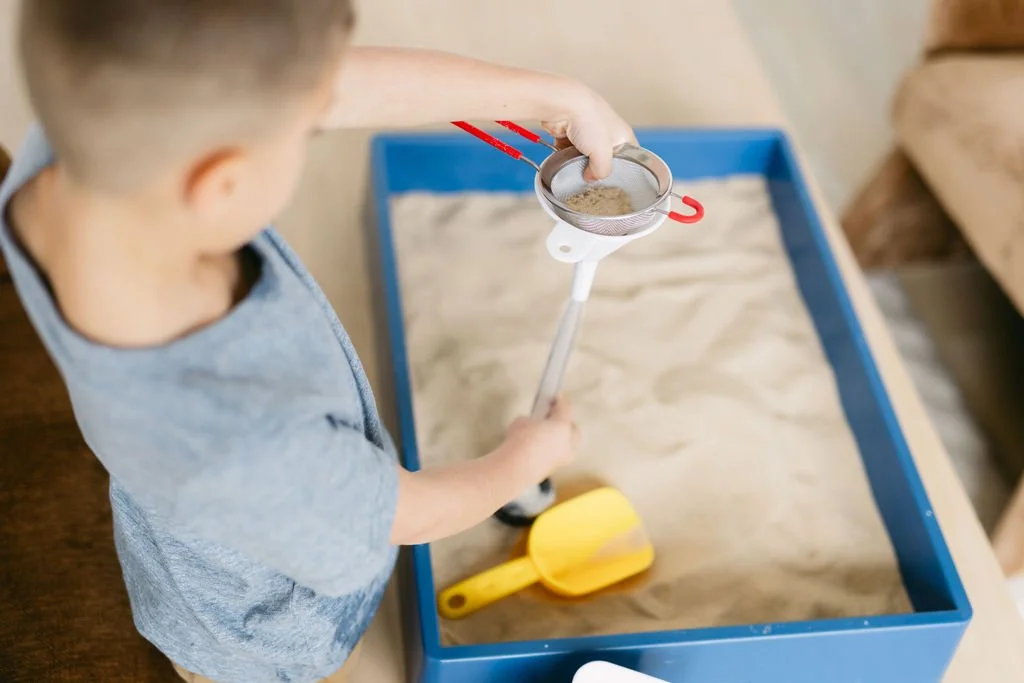
During play therapy sessions, children may use toys, art, sand tray, storytelling, movement, games, and imaginative play to express emotions and process experiences safely.
A play therapist observes patterns, themes, nervous system responses, emotional expression, attachment dynamics, and coping strategies through the child’s play.
Research in child development and neuroscience continues to show that play is foundational to emotional regulation, learning, and resilience. Learn more about the neuroscience of play and why play is essential for development.
In my St. Thomas office, the play therapy room is carefully curated with specific toys chosen to help children express different emotions, experiences, and themes through play. By observing how a child interacts with these tools, I can identify themes and patterns that reveal their inner world.
Nurturing Toys (Dolls, Kitchen): Used to explore family dynamics and caregiving.
Aggressive Release Toys (Soldiers, Puppets): Allow children to express anger or fear in a controlled, safe environment.
Creative Expression (Art, Sandtray): Helps children process experiences that are "pre-verbal" or too big for words.
Why Do Children Often Benefit From Play Therapy Instead of Talk Therapy?
Parents often search for “play therapy vs talk therapy” when trying to understand what kind of support is right for their child.
While talk therapy can be helpful for many people, younger children are still developing the emotional, cognitive, and language skills needed to identify and explain complex feelings verbally.
Play therapy meets children at their developmental level by using play as a natural form of communication. Through toys, imagination, storytelling, and creative expression, children are able to show rather than tell what they are experiencing internally.
This allows children to process emotions, build coping skills, and strengthen emotional regulation in a way that feels safe, natural, and accessible.
What Can Play Therapy Help With?
Play therapy can support children experiencing a wide range of emotional, behavioural, social, and developmental challenges.
Working Through Emotional and Behavioural Challenges
Anxiety and excessive worries
Separation anxiety
Anger and aggression
Emotional dysregulation
Difficulty coping with big emotions
Frequent meltdowns
Impulse control and attention challenges
Perfectionism
Building Confidence and Healthy Relationships
Low self-esteem
Attachment challenges
Friendship struggles
Parent–child relationship issues
Peer conflict and social skills difficulties
Adjusting to Life Events and Transitions
Bullying
Grief and loss
Separation and divorce
Difficulty with transitions
Adjustment to major life changes
Moving homes or schools
Medical experiences
Trauma (physical, sexual, and emotional abuse)
Developing Expression and Communication Skills
Limited verbal expression
Selective mutism
Difficulty expressing thoughts and feelings
Is my child a good candidate?
Many parents begin exploring play therapy when they notice their child is struggling and they’re not quite sure how to help.
You might be wondering if this is the right next step if:
your child is having a hard time at home or school
emotions feel bigger than what they can manage
behaviour has changed and feels out of character
or you simply feel stuck and want support understanding what’s going on
You don’t need a diagnosis for play therapy to be helpful. Many families come in at the stage of “something isn’t working, and I want to understand my child better.”
You may also find it helpful to read more about signs a child may benefit from counselling and how play therapy can help.
If you’re unsure, a parent consultation can help us talk through your concerns and decide what support makes sense.
PARENT SUPPORT SERVICES
Parents are always part of the process
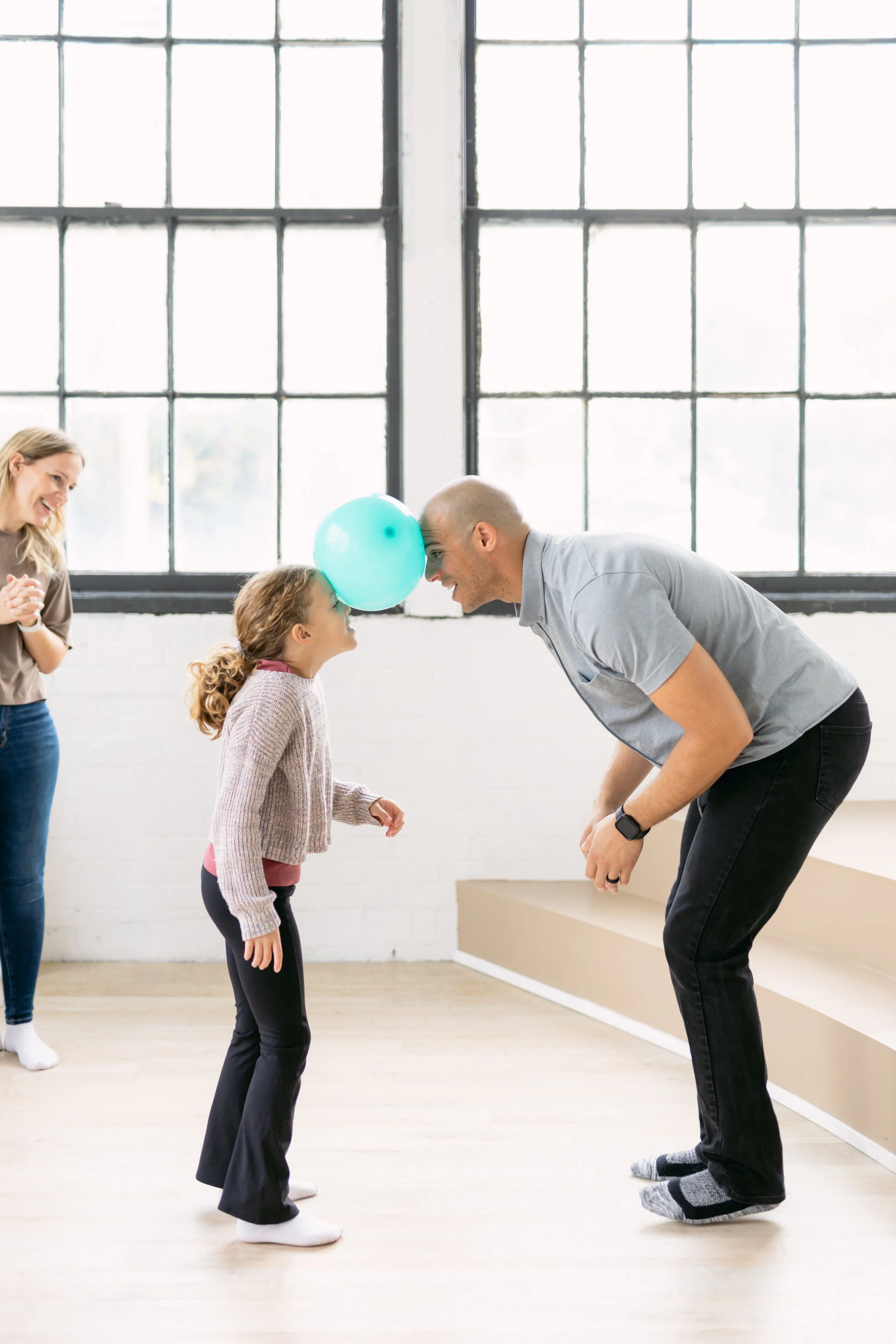
Part of my role is making sure parents feel supported, too. We’ll check in regularly, share insights, and build strategies you can use at home.
Parent sessions can help caregivers better understand their child’s nervous system, emotional needs, attachment patterns, and regulation strategies while building tools for connection and co-regulation at home.
And if you’d like more focused guidance, you can explore dedicated Parent Support Services for personalized tools and intensives designed just for you.

Play Therapy in St. Thomas and Elgin County
I provide play therapy and child counselling support for families in St. Thomas, Talbotville, London, Lambeth, Aylmer, Port Stanley, and surrounding Elgin County communities.
I also offer virtual parent support and online counselling sessions across Ontario.
My office is designed to help children feel emotionally safe, supported, and understood while building coping skills, confidence, emotional regulation, and connection.
FAQs
What does a play therapy session actually look like?
Play therapy sessions are child-led, meaning children are encouraged to explore, play, and express themselves in ways that feel natural to them. I tell children, “In here, you get to choose,” because having space for choice and agency can help build confidence, emotional safety, and self-esteem.
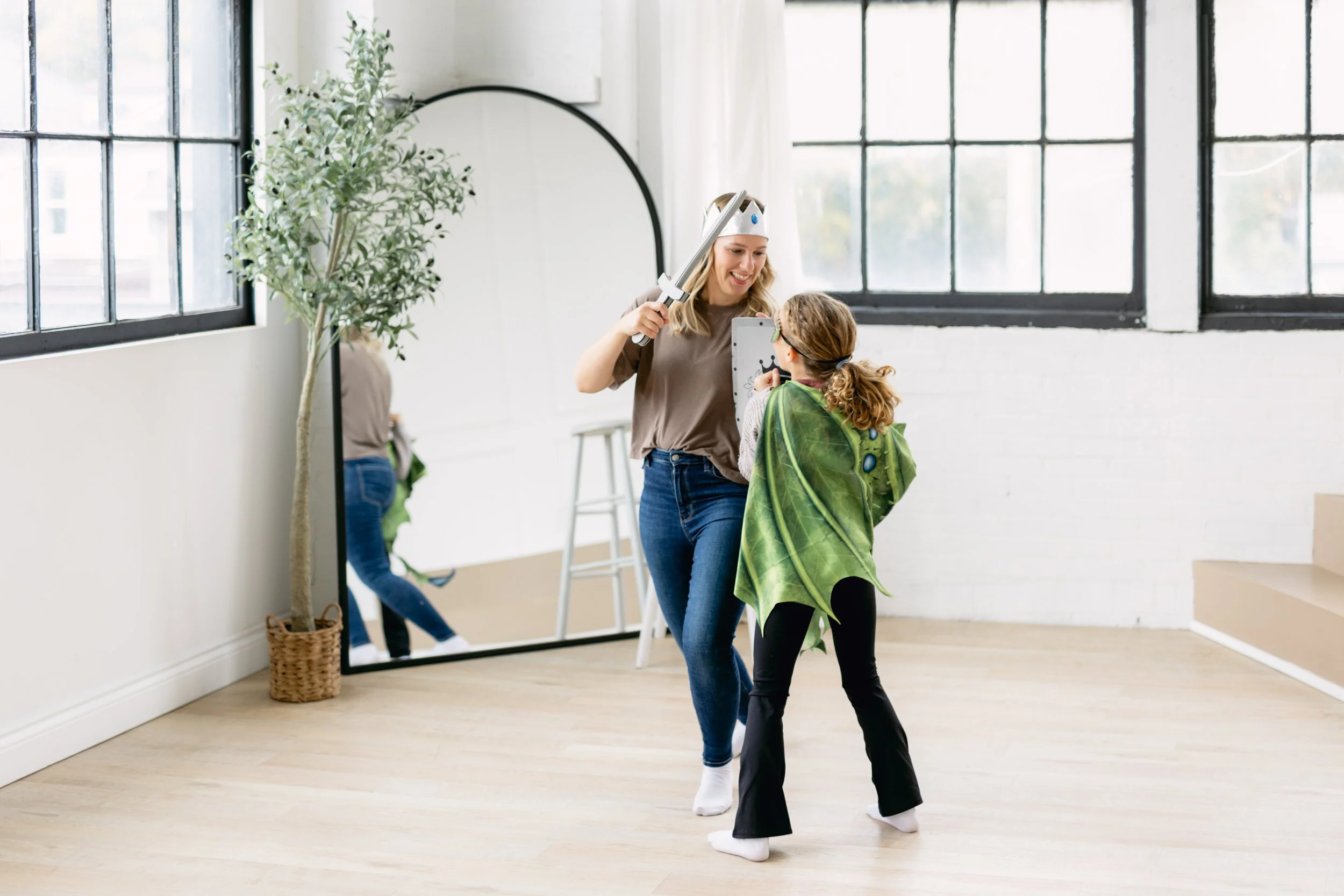
Sessions may include imaginative play, art, sand tray, storytelling, movement, games, or dress-up activities. While sessions are child-led, I am continually tracking patterns, emotional themes, nervous system responses, and attachment dynamics while supporting the child through attunement and co-regulation.
Do parents participate in play therapy?
Yes. Parents are an important part of the play therapy process. While sessions are typically individual between the child and therapist, parents remain involved through regular parent check-ins and collaborative conversations throughout therapy.
Some children may benefit from a parent helping them transition into the therapy space during initial sessions. Additional parent support sessions are also available for caregivers looking for more focused guidance and support at home.
What if my child is hesitant about therapy?
That’s very common. Play therapy is designed to be a gentle, child-led approach that moves at the child’s pace. There is no pressure for children to talk, share, or participate in any specific way before they feel ready.
Some children need time to observe, settle, build trust, or simply “be” in the space first — and that’s okay. Part of my role is creating an environment where children feel emotionally safe, supported, and free to lead in ways that feel comfortable for them.

Wondering if Play Therapy Is the Right Fit?
Every child is different. A parent consultation can help us explore what your child may be needing and whether play therapy feels like the right next step for your family.